

Blog
HOW CAN YOU TELL A REAL DIAMOND?

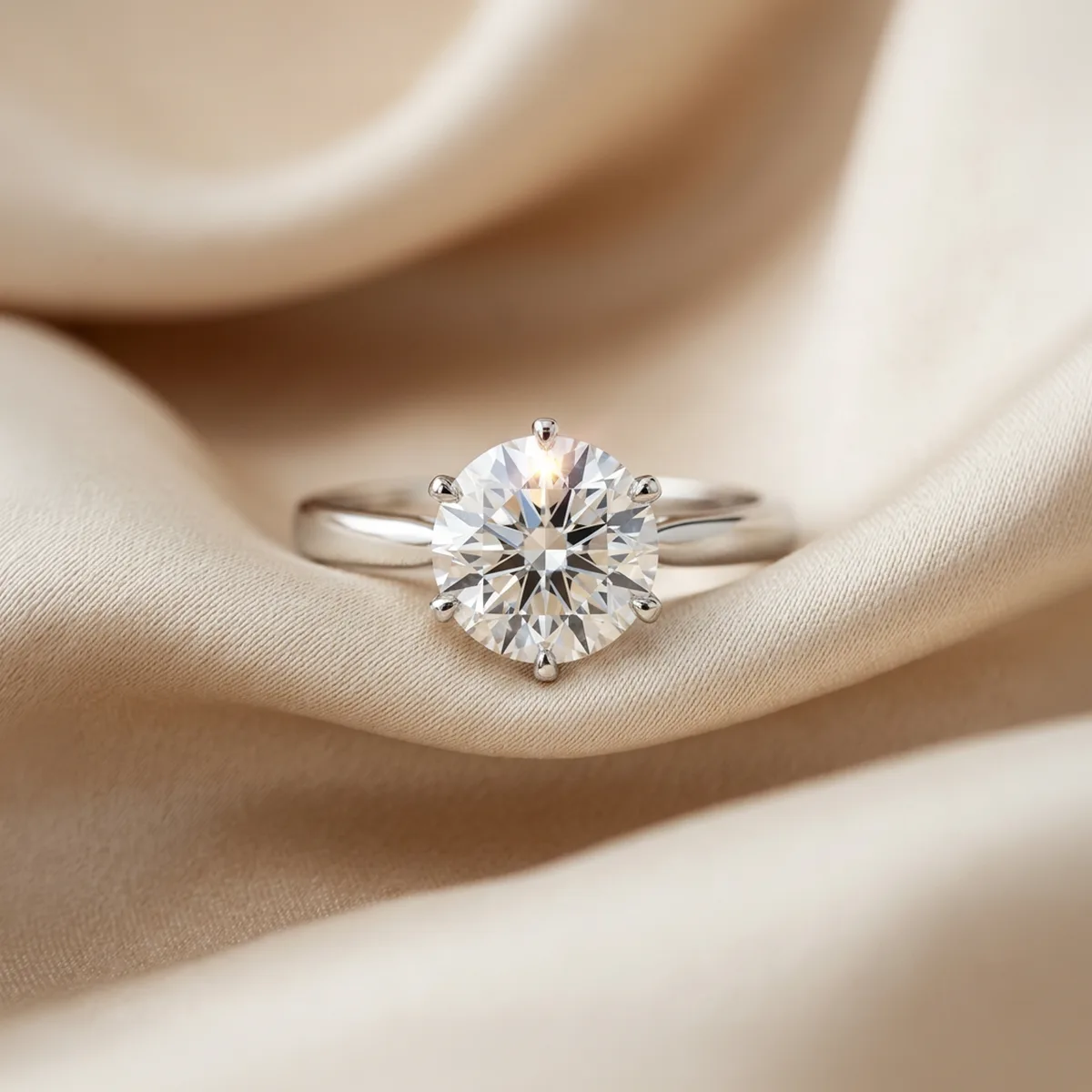
The 4Cs of Diamonds: Cut – Carat – Color – Clarity
What Makes an Ideal Diamond?
The price of a diamond is determined by its 4C characteristics. These are the four distinguishing factors used to grade diamonds: cut, carat weight, color and clarity. They are the most important things to consider when buying a diamond, and a diamond's brilliance and beauty depend on them. Unless a diamond is damaged in an accident, it loses nothing of its 4C values.
Cut
Cut relates to the symmetry and proportions of the stone. The cut determines a diamond's ability to sparkle and refract light. A stone with flawless color and clarity can look dull if poorly cut. In a well-proportioned diamond, light entering through one facet is reflected from another and dispersed through the crown. If the cut is too deep or too shallow, some of the light escapes through the bottom of the diamond, and it does not sparkle as it should.
Carat
Carat refers to the weight of a diamond. One carat equals 200 milligrams. Size is an important factor in valuing a diamond, but two diamonds of equal size can have very different prices depending on their quality. Two diamonds with the same carat weight do not necessarily have the same price.
Color
As diamonds form under extreme heat and pressure, trace elements incorporated into their atomic structure create a variety of colors. Diamonds are graded by how close they are to colorless. The rarest and whitest are D, E, F and G colors. Most diamonds fall between H and L. Diamonds of color M and below have a yellowish tint visible to the eye. There are also diamonds in rare colors such as pink, blue, yellow and red.
Clarity
Most diamonds contain tiny particles of pure carbon. These particles make each diamond unique and are called “inclusions”. Clarity is an important characteristic that sets each diamond apart from the others; no two diamonds have the same inclusions. Major laboratories such as GIA and HRD use five factors to determine a diamond's clarity grade.